Đối tác tiêu biểu


Microbial antibiotic resistance is considered one of the most serious global threats today to human health. They lead to illness and death as well as an economic burden. To combat the proliferation and spread of these microorganisms, we must act. bioMerieux in conjunction with DEKA Co., Ltd. is your trusted partner for complete microbiology solutions and integrated solutions for the management of antibiotic-resistant microorganisms.
1. A global threat that cannot be ignored
Since the beginning of the 20th century, antibiotics have had benefits for human and animal health, significantly reducing morbidity and mortality. However, due to overuse of antibiotics and overuse of antibiotics, many infectious microorganisms have adapted and become resistant to 1st and even 2nd generation antibiotics. Some microorganisms drug resistance, including Enterobacteriaceae (CRE), Campylobacter and Candida appeared continuously with increasing levels. Some microorganisms are even resistant to almost all antibiotics such as Carbapenem-resistant Enterobacteriaceae (CRE) and multidrug-resistant Acinetobacter. Antibiotic-resistant infections place a huge burden on health care systems, veterinary centers in particular and society in general, with a wide range of impacts.

- Treatments are not available or limited; Available antibiotics are not very effective, expensive and sometimes harmful to the patient.
- Drug resistance means a high risk of death, long hospital stays, delayed recovery, and sometimes disability for patients.
- Drug-resistant organisms are the cause of outbreaks of opportunistic infections in healthcare.
- Increasing human resistance has led to measures to limit the use of antibiotics.
- There is strong evidence of microbial antibiotic resistance in the community which is very acute.
- In addition, antibiotic resistance is a serious problem in livestock production even in domestic animals.
Health experts and agencies worldwide agree: antibiotic resistance is an urgent, global threat and cannot be ignored. The World Health Organization (WHO) says that “urgent action is required at the highest level of the state and at the national level”. The consequences of inaction, as described by the CDC, are "potentially catastrophic."
Estimated annual infections: 2 million in US, 400,000 in Europe*
*Antibiotic Resistance Threats in the United States, CDC 2013
Estimated economic burden: $20 billion in direct costs in the US, 1 to 5 billion euros in Europe **
** ENVI2013 European Report on patient safety


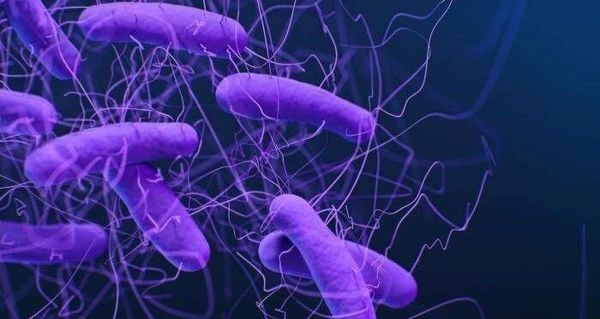
Clostridium difficile, a major cause of healthcare-associated infections (HAI), is classified as an “urgent threat” in the CDC’s...
.png)

